Chem 91 S1 (CSI:Humboldt)
Breeder: CSI:Humboldt
Lineage: Chem 91 x Chem 91
Grown: 2021
Flowering Time: 75-85 Days
Summary
Few strains are as legendary as the original Chem 91 cut. Running through this S1 population I can see why many claim the Chemdog 91 to already be an S1. There was significant uniformity across the hunt. But before you decide that Chem 91 is the strain you need to grow, I recommend reading more and discovering where the 91 really shines.
WHAT MAKES HER SPECIAL?
Whenever I talk to growers running Chem 91 for the first time, I feel like I have to temper expectations. They're often expecting a fuel-forward plant with crazy strong terps. In my experience smoking the original cut (shout out Golden Goose) and with running the S1s, I can tell you that's just not really what Chem is.
Instead, Chem 91's strongest boons for me are its outstanding breeding potential, its history and influence in modern cannabis and its potency.Â
She lacks brightness (highs) with the exception of some subtle citrus, but has a lot of depth and emphasis towards the lower to midrange (think earthy, leathery fuel). It's this lower range that carries strong across into progeny, bringing with it strong mouth coating - a key trait.
Potency is another area where the Chem 91 earns its legend status. Effects come on fairly quick and are extremely long lasting. She's not for everyone though, and some people feel she can create a dissociative high with some raciness.
GROW REVIEW
I started my journey on this hunt with 7 feminized seeds from Caleb, of CSI:Humboldt. Out of those 7 seeds, I believe I had 5 plants that made it to the end of flower.
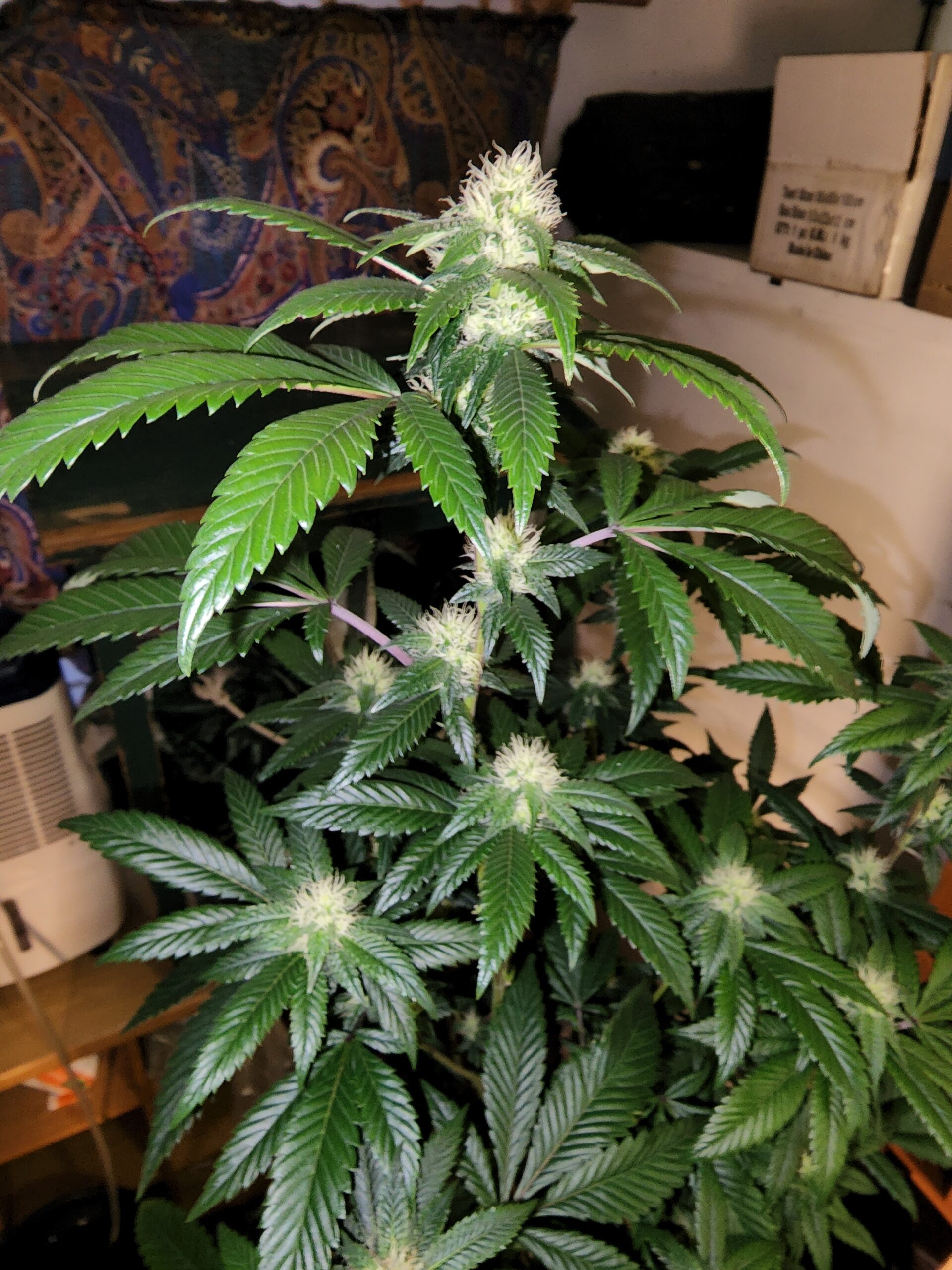
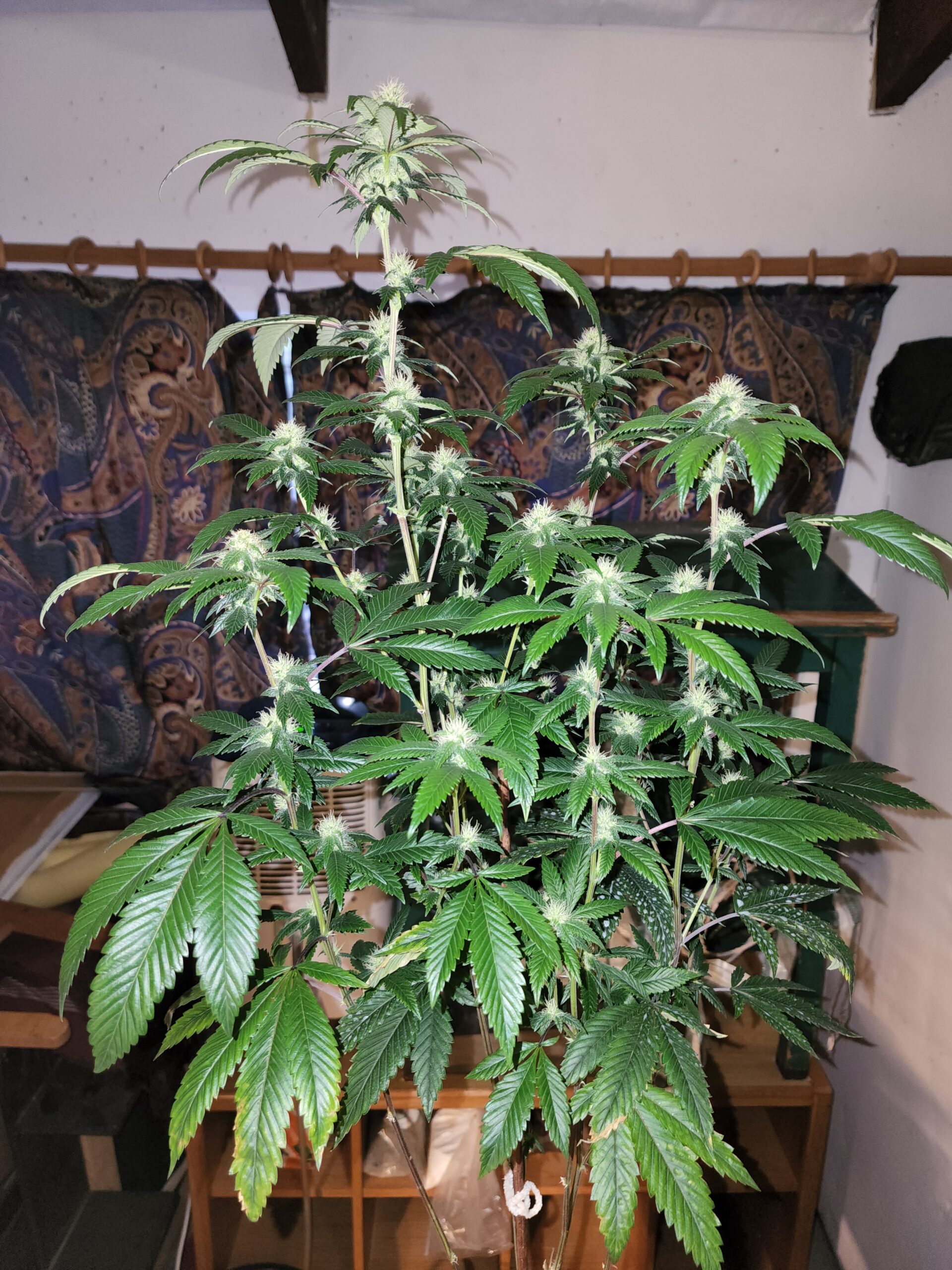
Structurally, Chem 91 is a pretty robust plant. Similarly to the Chem 4 and Chem D as well. And in the S1 population this trait showed itself consistently. Plants were strong and easily able to stabilize their own flower weight.
In the flowering stage, I found most phenotypes to run between 65 and 70 days, with one longer-flowering outlier.Â
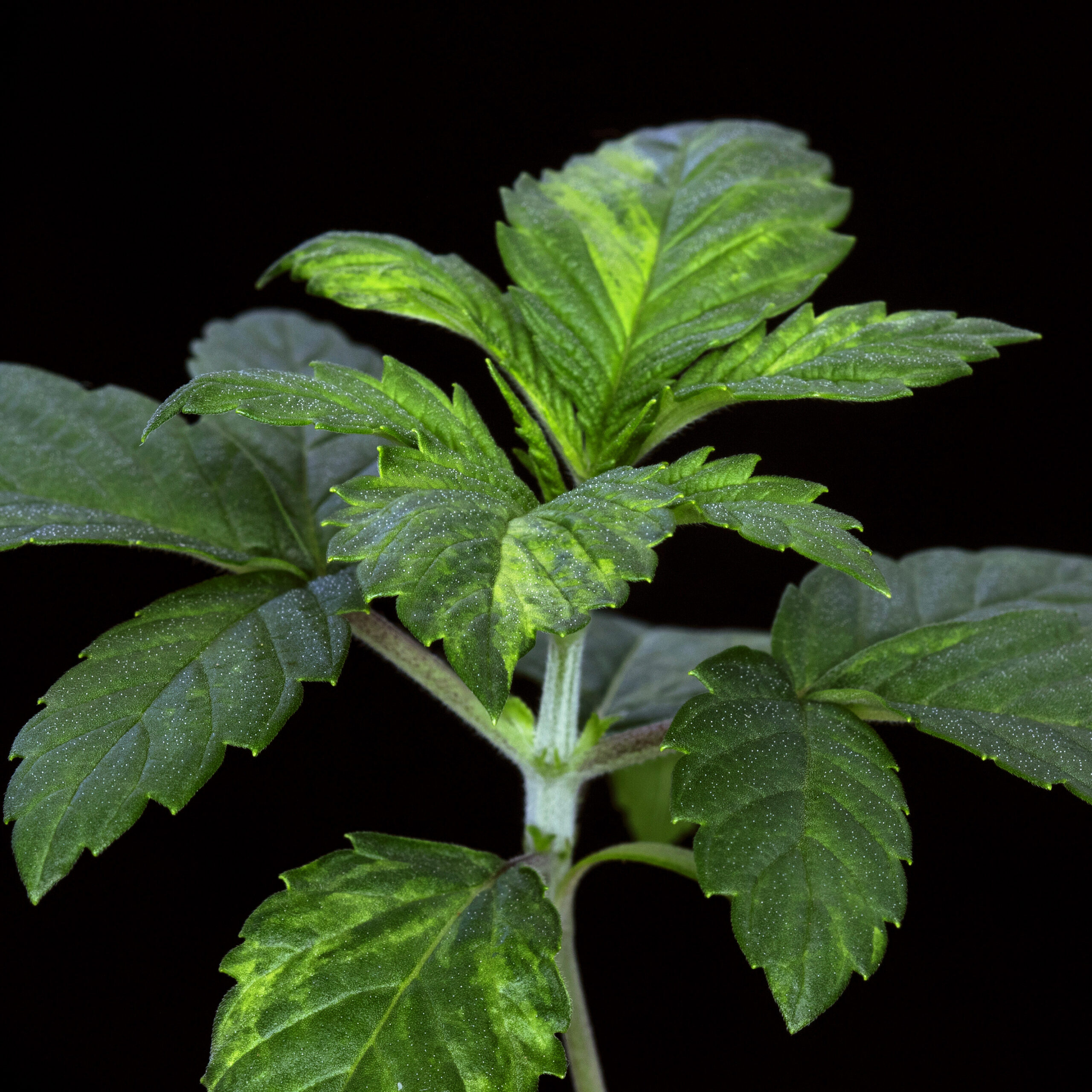
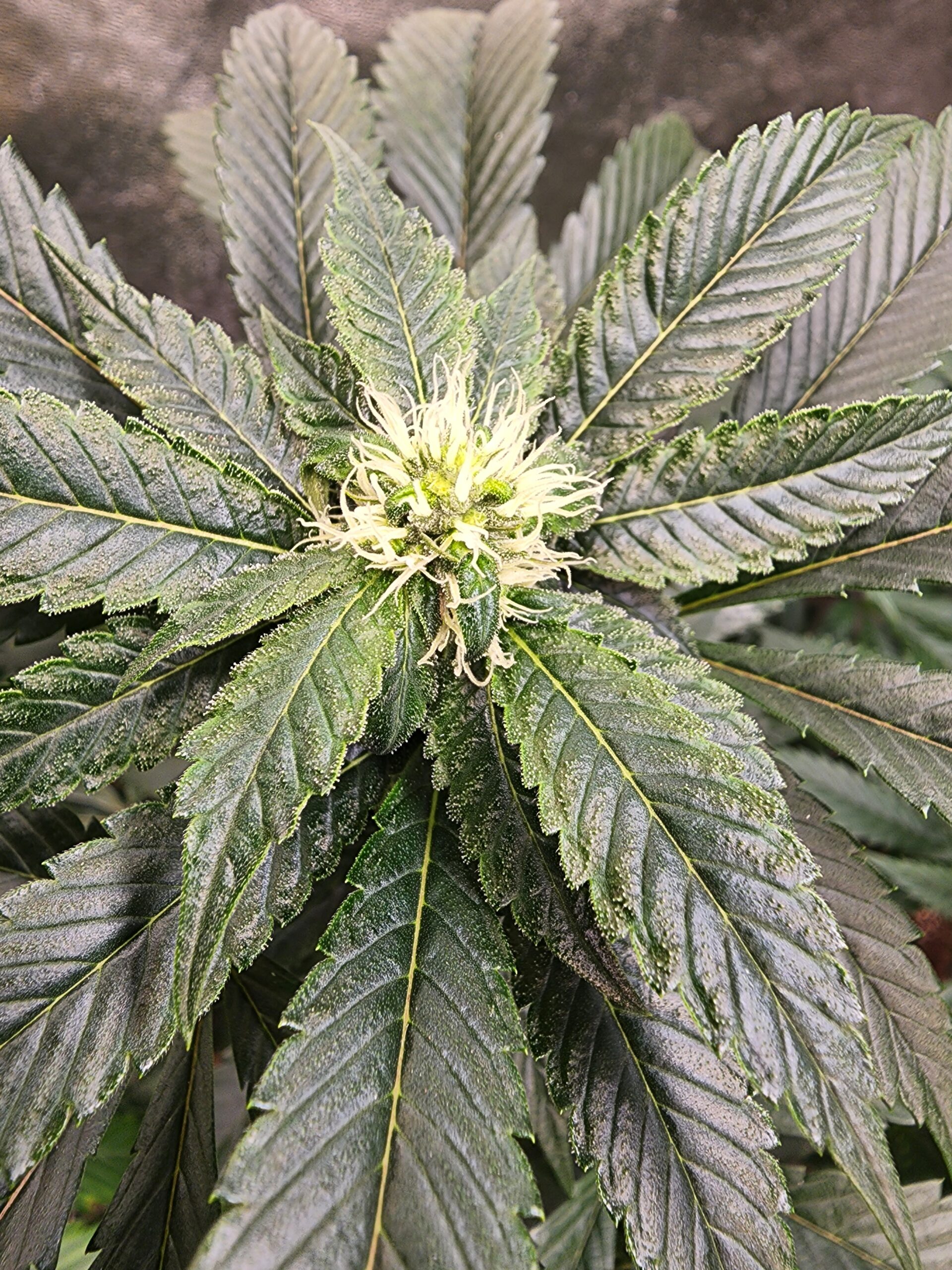
Some interesting observations in the S1 population was the presence of variegation in one of the plants, quite significantly too. While variegation is a known trait on the Chem D cut, the Chem 91 doesn't express it. However, it seems to in the S1s. This is particularly useful information since the provenance on Chem D is often debated. This lends some credence to a shared lineage at least.
I found the plants to be quite sensitive to nitrogen, and where other plants were handling the feed fine, she showed some clawing. There does also seem to be a genetic tendency for the leaves to curl a bit from what I could see - so feed carefully in early and mid-flower.
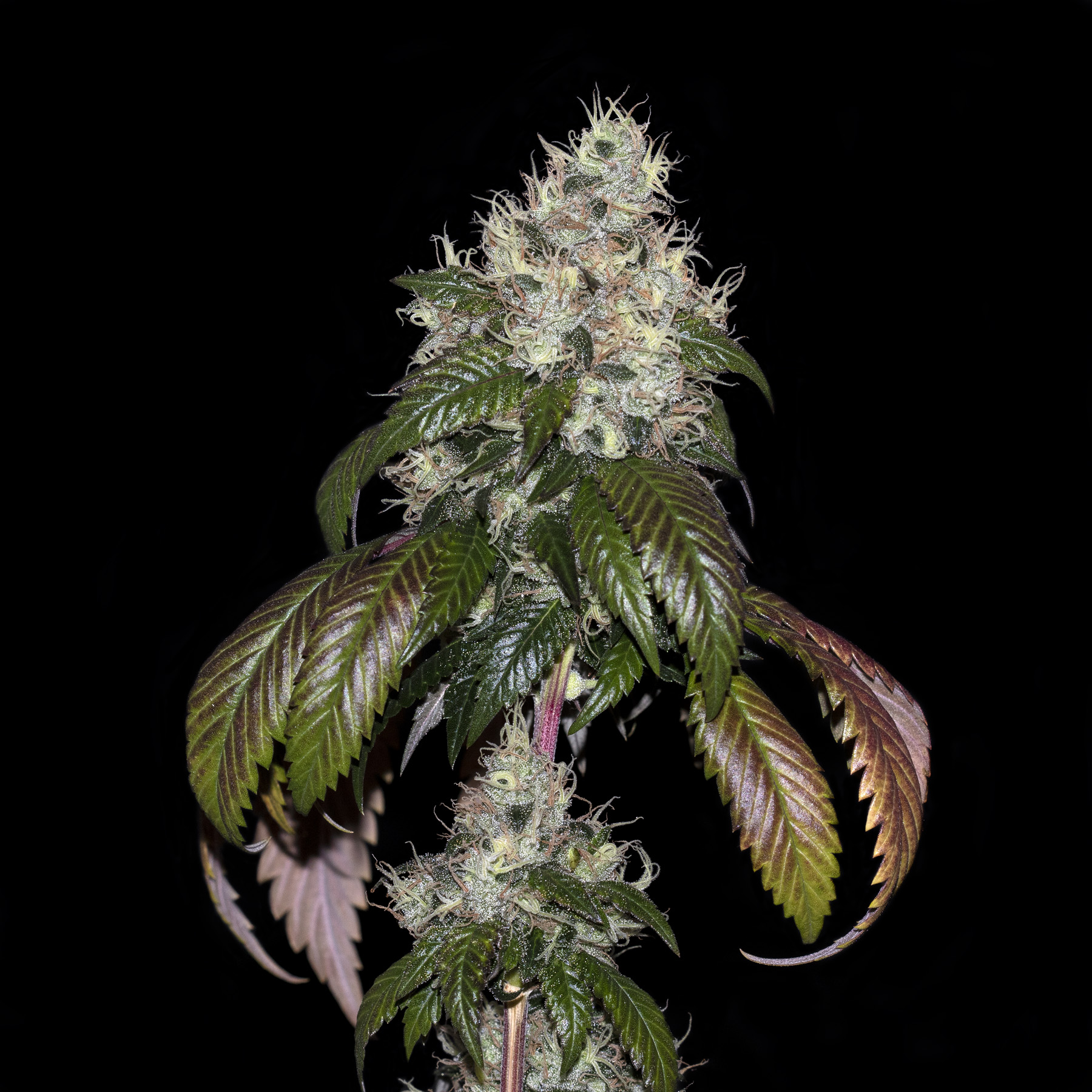
Also of note was the text-book Chem 91 leaf necrosis that appeared in late week 4 and week 5 of flower. This trait often has growers looking to correct their feeds or medium, but her genetic tendency is very strong and while some have dialed her in to a point where this trait is reduced, even in great environmental conditions with good feed, she and her progeny tend to show this.
SMOKE REPORT
Over the course of two years I ran these S1s in hydro and organic soil and personally smoked through more than 500 grams. Here is what I found across the population:
In the jar most phenotypes shared the same overall scent profile, just at varying degrees of intensity.
I always found it had a slightly fuely, leathery aroma with some earthiness, almost antique. There were noticeable citrus compounds, but soft rather than spiky and aggressive like in a lemon-cleaner OG or something similar.
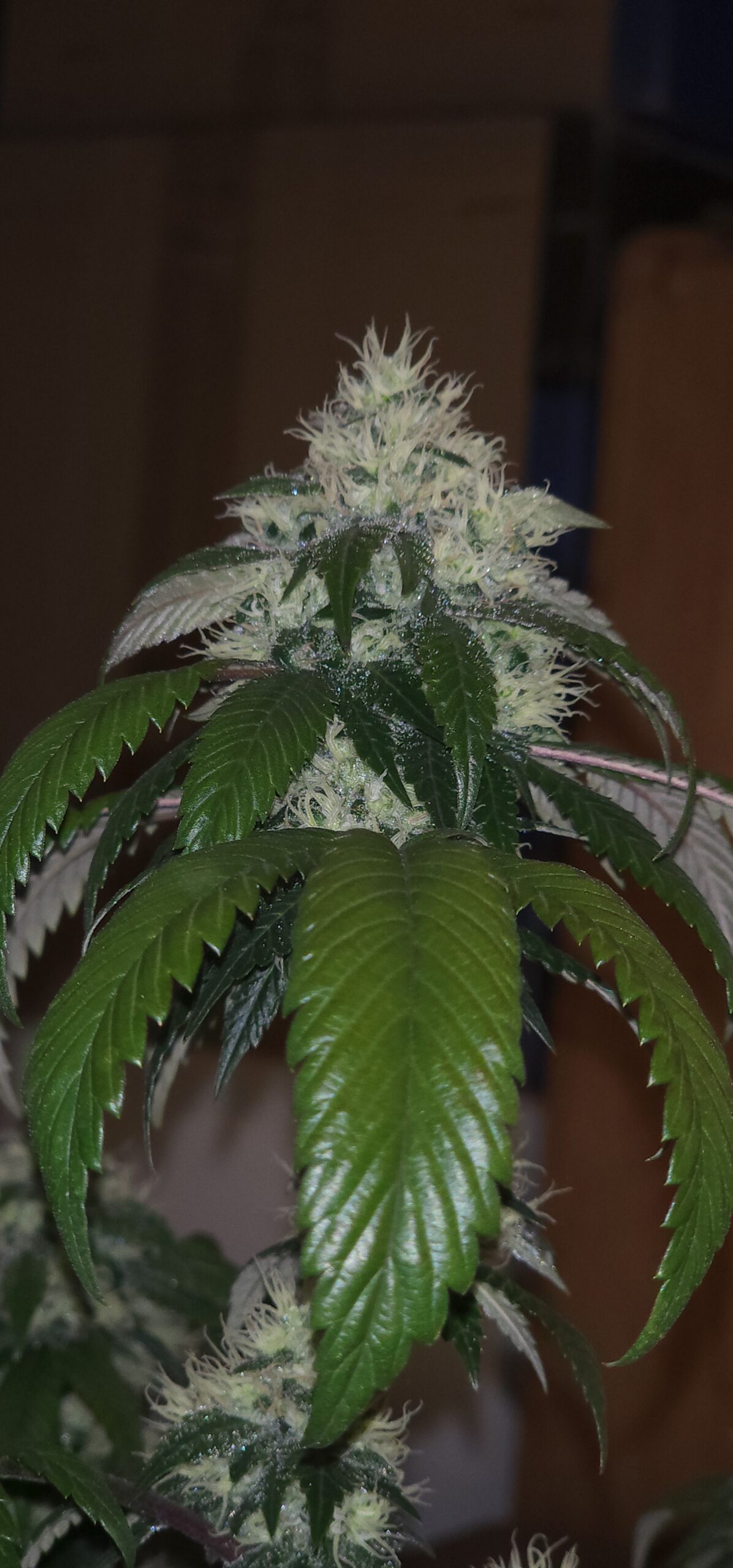
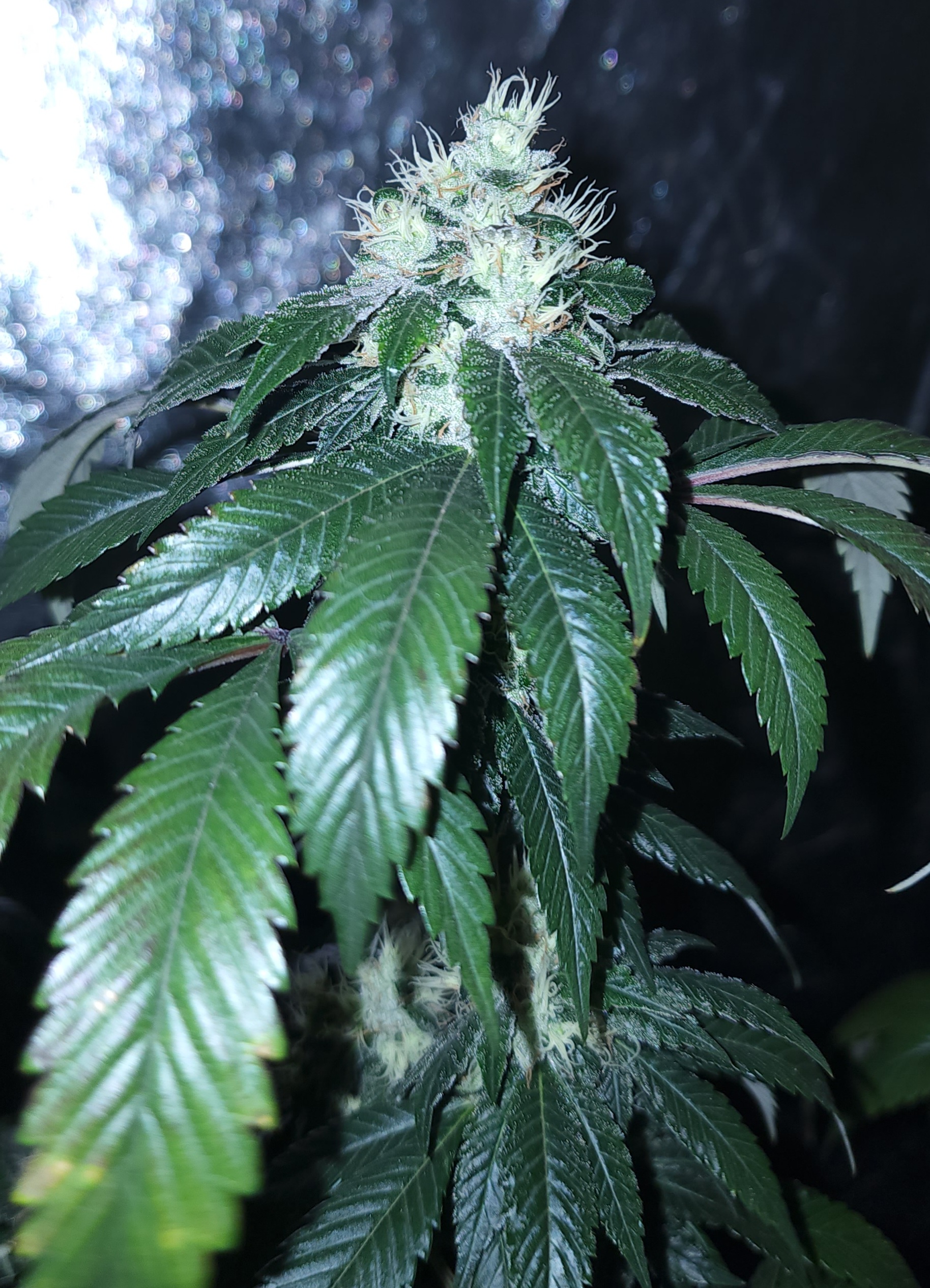
Short trichome stalks and only moderate coverage - the Chem 91 S1 weren't exactly super exciting to look at. One or two phenotypes had higher trichome density, but just by its nature Chem 91 tends to finish with some white pistils still going, unless well dialed in.
Here is where these plants shined. The flavour gives more petrol than the smell, with a whole lot of thick mouth coating. You can feel the texture of your saliva change on the inhale and that slightly citrus fuel then lingers on the tongue until the next hit.
There were, however, a few cuts that were more muted. So ultimately, this S1 population is a place to make smart selections.
These plants were all potent. But I think this is where the most important distinctions need to be made in selections.
Although potent, some were almost dissociative. Others were more uplifting and positive in their effects.
This is where our unique body chemistry comes into play. But you should expect some long lasting effects.